
It’s a question many people wonder about, especially when they first get a prescription. You might worry that once you start wearing glasses, your eyes will become dependent on them and your vision will decline even faster. It’s a common concern, but one our team of optometrists can put to rest.
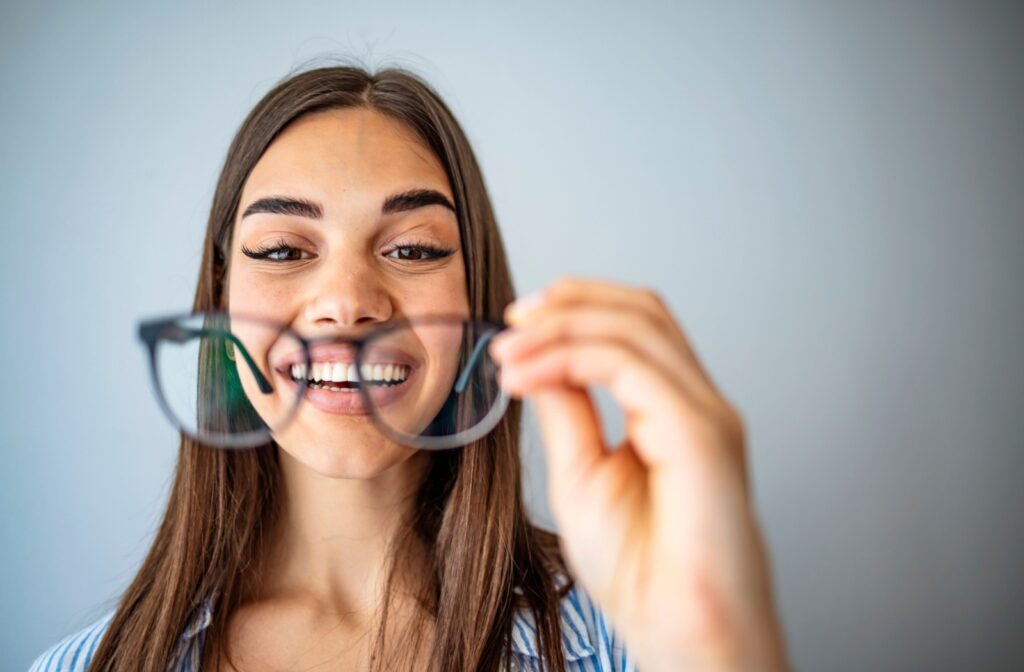
The simple answer is no—wearing correctly prescribed glasses does not make your eyes worse. Instead, they help your eyes focus properly, which reduces strain and allows you to see the world around you with clarity and comfort, often with the help of a pair of stylish frames.
Uncover the Myth: How Glasses Affect Your Vision
Many of us worry that once we start wearing glasses, our eyes become dependent on them and get weaker. We’ll explore how glasses really work with your eyes to provide clear vision without causing harm.
How Glasses Help You See Clearly
Think of glasses as a tool that helps your eyes focus light correctly. They don’t change the shape or health of your eyes—they simply correct refractive errors like nearsightedness or farsightedness so you can see with ease.
So, Do Glasses Make Your Eyes Weaker?
This is a common misconception. Wearing glasses does not weaken your eyesight. Your prescription might change over time due to natural aging processes or other health factors, but the glasses themselves aren’t the cause.
What Happens if You Wear Glasses That Are Too Strong?
An incorrect prescription can lead to discomfort. You might experience headaches, eye strain, or blurry vision. It’s a sign that you need an updated eye exam, not a sign of permanent damage.
Why Your Eyesight Changes Even with Glasses
It can feel frustrating when your vision changes, especially if you already wear glasses. These shifts are often a normal part of life, particularly as we juggle work, family, and the demands of digital screens.
Common Reasons for Vision Shifts After 40
As we get older, the lens inside our eyes becomes less flexible, making it harder to focus on things up close. This condition, called presbyopia, is a natural change that happens to almost everyone. It’s why many people find themselves needing reading glasses or bifocals in their 40s.
Digital Eye Strain and Modern Life
Long hours in front of computers and phones can lead to digital eye strain, resulting in tired, sore, and dry eyes. While this doesn’t permanently worsen your vision, it can cause significant discomfort and temporary blurriness. Taking regular breaks can help give your eyes the rest they need.
Could It Be Dry Eye?
If your eyes feel gritty, watery, or constantly irritated, you might be experiencing dry eye. This is a common condition our team in St. Thomas can help manage. Symptoms of dry eye can include:
- A stinging or burning sensation
- Stringy mucus in or around your eyes
- Light sensitivity
- Redness
- Difficulty with nighttime driving
The Role of a Proper Eye Exam
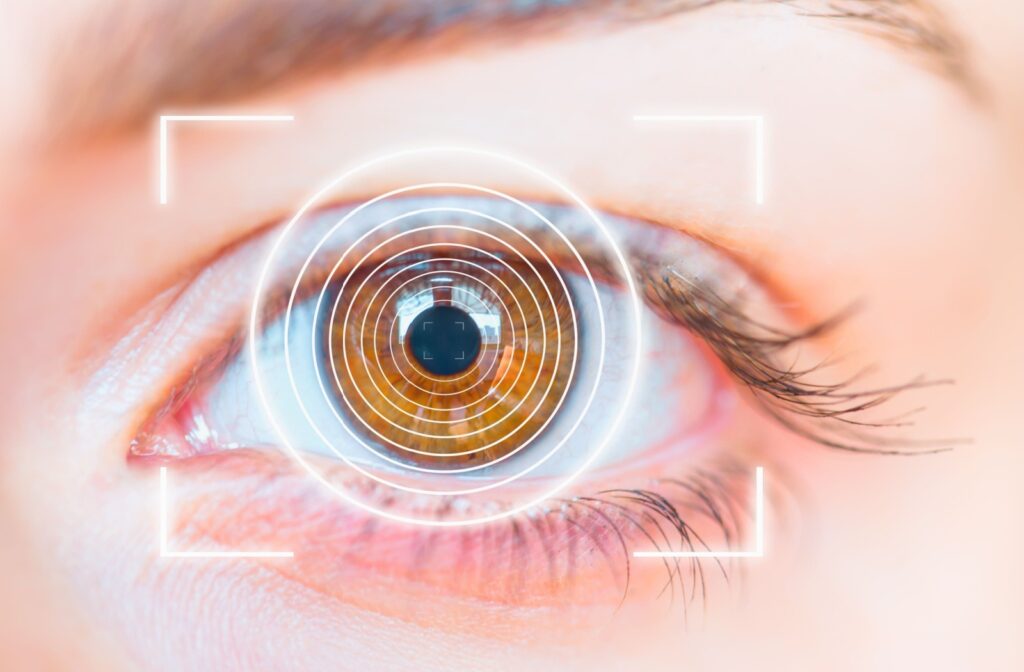
Regular eye exams are about more than just checking your prescription. They are a key part of your overall health care, allowing for early detection of eye conditions that may not have obvious symptoms.
How Often Should Adults Get Their Eyes Checked?
For adults between 20 and 64, a comprehensive eye exam at least every 2 years is recommended. If you have risk factors like diabetes or a family history of eye disease, your eye doctor may suggest more frequent visits. This helps us stay on top of any changes to your vision and eye health.
What We Look for During an Exam
During your appointment, we do more than just test your vision. We assess your eye muscles, check the internal structures of your eye, and screen for conditions like glaucoma, cataracts, and macular degeneration. This complete picture helps us care for your long-term vision.
Your Vision Correction Options
Glasses are a fantastic choice, but they aren’t the only option. Depending on your lifestyle and preferences, contact lenses might be a great fit for you. The right solution is the one that works best for your daily life.
Is It Better to Wear Contacts or Glasses?
The choice is personal. Glasses are easy to care for and can be a fun fashion accessory. On the other hand, contact lenses offer a wider field of view and are ideal for sports and active lifestyles. Of course, it’s important to follow proper safety guidelines to keep your eyes healthy while wearing them. Not everyone is a candidate for contact lens use, but our team of doctors can determine if your prescription could be corrected by contact lenses.
Can You Train Your Eyes to Not Need Glasses?
While eye exercises can help with eye strain, there is no scientific evidence that they can cure refractive errors. The most effective way to see clearly is with a correctly prescribed pair of glasses or contact lenses. They provide the support your eyes need to focus without effort.
Simple At-Home Tips
Beyond your regular check-ups, small daily habits can make a big difference in keeping your eyes comfortable and healthy for years to come. If you’re concerned about changes in your vision or just feel it’s time for a check-up, our team is here to help. A proactive approach is the best way to care for your vision.
Daily Habits for Healthy Eyes
- Eat a balanced diet: Foods rich in leafy greens, fish that are high in Omega-3, and fruits support your eye health.
- Protect your eyes from UV rays: Always wear sunglasses that block 100% of UVA and UVB rays when you’re outdoors.
- Use the 20-20-20 rule: When using digital devices, take a 20-second break every 20 minutes to look at something 20 feet away.
- Wash your hands: Always wash your hands before touching your eyes or handling contact lenses to avoid irritation.
Schedule a Comprehensive Eye Exam
Let’s get a clear picture of your eye health. A regular exam with our team in St. Thomas helps keep your prescription up to date and checks that your eyes are healthy. We can address any concerns you have, from blurry vision to dry eye symptoms.
At First Optometry, we’re here to provide compassionate care that fits your busy life. We can answer your questions and find a vision solution that works for you, whether that’s updating your glasses, exploring contact lenses, or addressing dry eye symptoms. Book your appointment today and take the first step toward clear, comfortable vision.
