


Key Takeaways
- Eye strain symptoms often fade within minutes to an hour of rest.
- Severe strain can linger until the next morning or longer if an underlying condition is involved.
- Dry eye disease and uncorrected vision can make symptoms last longer.
- Simple habit changes, like the 20-20-20 rule, can speed up recovery.
- Symptoms lasting more than 24 hours are worth a professional look.
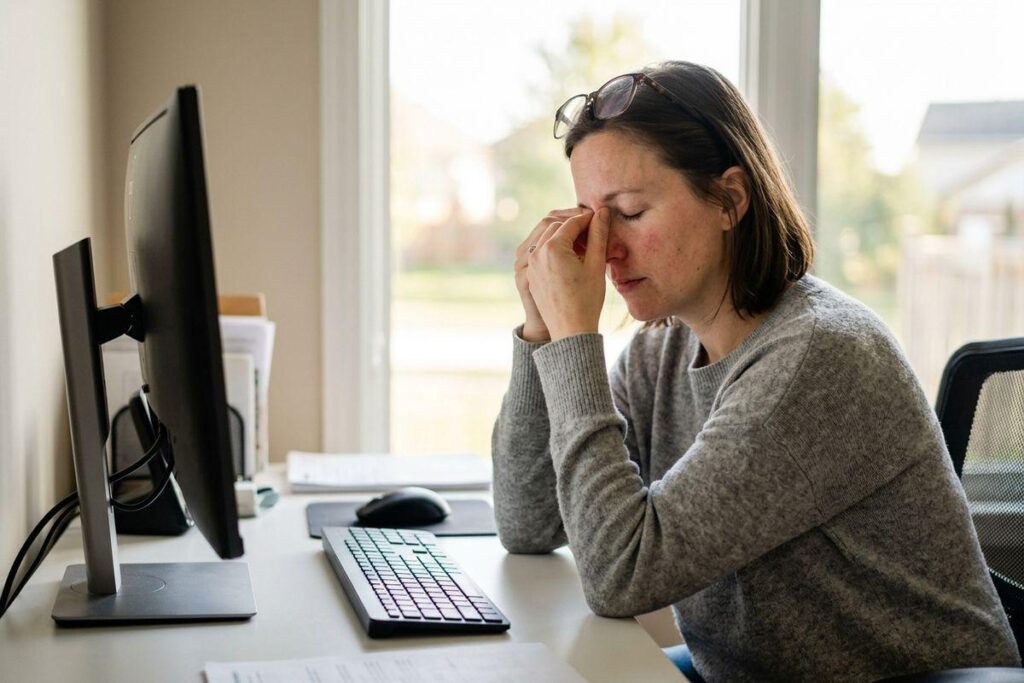
You’ve made it through a full day of emails, school pickups, and back-to-back tasks on a screen. By evening, your eyes feel heavy, dry, and like they just can’t focus anymore. That tight, achy feeling behind your eyes is familiar, but you’re not always sure how long it’s supposed to stick around or when it’s something worth paying attention to. First Optometry offers comprehensive eye exams and digital eye strain care for patients across St. Thomas, Aylmer, and Port Stanley.
For most people, eye strain symptoms ease within minutes to an hour once you step away from the screen, but strain that lingers into the next day, or keeps coming back, may be a sign that something else is going on.
How Long Eye Strain Typically Lasts
In most cases, your eyes recover fairly quickly once you give them a proper break. Mild strain can fade within minutes. More intense strain, like after a long day of screen time with no real rest, can stick around until the next morning.
The concern is when discomfort keeps showing up, day after day. Ongoing eye strain that doesn’t follow that rest-and-recover pattern may signal an underlying condition that rest alone won’t fix.
Common Signs and Symptoms of Eye Strain
Eye-Related Symptoms
Eye strain doesn’t always feel the same from one person to the next. Some of the most common eye-related signs include:
- A dry, burning, or gritty sensation in your eyes.
- Blurred or double vision, especially after long focus tasks.
- Sensitivity to light, including screens and overhead lighting.
Body Symptoms That Tag Along
Eye strain often doesn’t stay in your eyes. It tends to spread, and the discomfort can show up in ways you might not immediately connect to your vision.
- Headaches around the forehead or temples.
- Tension in your neck, shoulders, or back.
- Difficulty staying focused on a task, even when you want to.
What Makes Eye Strain Last Longer
Screen Habits and Environment
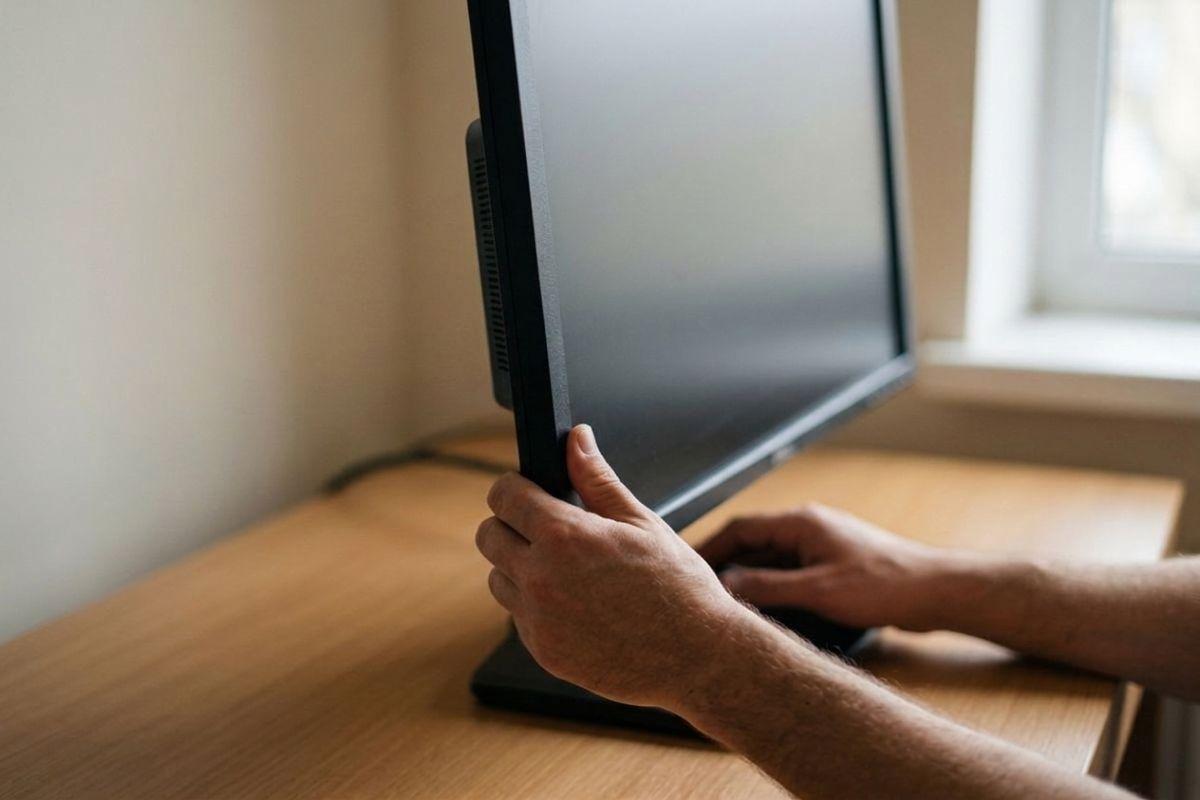
How and where you use screens plays a big role in how quickly your eyes recover. Long sessions without any breaks give your eye muscles no chance to relax, which stretches out recovery time. Dry air from heating or air conditioning and glare from windows or overhead lights can also speed up tear evaporation, leaving your eyes feeling irritated sooner. Anti-glare glasses can help reduce some of that irritation during long screen sessions.
Underlying Eye Conditions
Sometimes the real reason your symptoms linger has nothing to do with how long you were on a screen. Dry eye disease is a common factor that keeps discomfort going long after it should have settled. An uncorrected or outdated vision prescription makes your eyes work harder than they should throughout the day.
For adults 40 and over, presbyopia, the gradual change in near focus that comes with age, can make the strain feel sharper and harder to shake. If dry eyes are part of the picture, learning about dry eye therapy and diagnostics can be a helpful next step.
Simple Ways to Get Relief Faster
The 20-20-20 Rule
For every 20 minutes of screen use, look at something about 20 feet away for 20 seconds. It sounds small, but it gives your eye muscles a genuine chance to relax and refocus. Building this into your day, especially during long work sessions, can make a real difference in how your eyes feel by the end of it. The 20-20-20 rule is one of the simplest habits you can start today.
Workspace and Screen Adjustments
A few easy changes to your setup can help your eyes stay more comfortable throughout the day:
- Position your screen at arm’s length and slightly below eye level.
- Reduce glare by adjusting blinds or adding a matte screen filter.
- Make a conscious effort to blink more often, especially during focused screen use.
When Eye Strain Needs a Professional Look
Most eye strain is manageable with rest and some habit adjustments. But there are times when it’s worth talking to an optometrist. If your symptoms are still there more than 24 hours after you’ve stopped screen use, that’s a signal worth taking seriously.
Frequent headaches, double vision, or any noticeable changes in your vision are also reasons to book an appointment rather than wait it out. A dry eye assessment can help uncover whether something like dry eye disease is behind your ongoing discomfort. Getting a current eye exam is also a straightforward way to find out if your prescription needs an update.
We Can Help
At First Optometry in St. Thomas, our team offers comprehensive eye exams and dry eye assessments for patients across St. Thomas, Aylmer, and Port Stanley. If your eyes have been feeling off longer than they should, reaching out to an optometrist can help you figure out what’s going on and find a path to more comfortable vision. Book your appointment with First Optometry today.
