


Key Takeaways
- Dry eye disease happens when your tear film can’t keep your eyes hydrated and clear.
- Blurry vision is a common dry eye symptom.
- Screen time and contact lens wear can make dryness and blurry vision worse.
- At-home tips can offer temporary comfort, but ongoing symptoms need professional attention.
- A dry eye assessment at First Optometry can help identify the root cause of your symptoms.
You’re midway through your workday, staring at your screen, and your vision suddenly goes soft. You blink a few times, and it clears, but a few minutes later, it happens again. It’s distracting, a little worrying, and honestly, exhausting to deal with on top of everything else you’re already managing.
Yes, dry eyes can cause blurry vision, and it’s one of the more common symptoms people experience without realizing dry eye disease is behind it. If your vision fluctuates throughout the day, First Optometry offers thorough dry eye assessments to help identify what’s actually driving your symptoms. Not sure if dry eye disease is what you’re dealing with? The dry eye questionnaire is a helpful first step to find out.
What Is Dry Eye?
Your eyes rely on a thin layer of tears to stay clear, comfortable, and focused. When that tear film breaks down, your eyes can’t maintain the moisture they need. That’s dry eye disease in a nutshell.
It typically shows up in one of two ways. Either your eyes aren’t producing enough tears, or the tears you do produce evaporate too quickly. Both leave your eyes without the coverage they need to function comfortably. Adults 50 and older tend to experience dry eye disease more often than others, though it can affect anyone.
Dry Eye Symptoms Worth Paying Attention To
Dry eye symptoms can feel different from person to person. Some of the most common signs include:
- A burning, stinging, or gritty sensation in the eyes.
- Redness, sensitivity to light, or stringy mucus around the eyes.
- Blurry vision or eyes that water more than usual.
It might seem strange that dry eyes can cause watery eyes, but it’s a real response. When your eyes feel irritated, they can produce excess tears as a reaction, though those tears don’t always provide lasting relief. If you’re waking up with dry, uncomfortable eyes, this breakdown of common morning eye discomfort explains what may be going on and what can help.
What Blurry Vision from Dry Eyes Looks Like
This kind of blurriness has a pattern to it. Your vision fluctuates, often getting worse after long stretches in front of a screen. Blinking tends to clear things up briefly, but the blur comes right back. Some people describe it as looking through a watery or smudged lens. It comes and goes, which is part of what makes it so frustrating to pin down.
Why Dry Eyes Can Affect Your Vision
Screen Time and Reduced Blinking
When you focus on a screen, your blink rate slows down significantly. Blinking is what spreads moisture across your eyes, so less blinking means your tear film dries out faster. The result is that tired, blurry feeling that tends to hit hardest in the afternoon. If your days involve long hours at a computer, this cycle is probably familiar to you.
Contact Lenses and Dry Eyes
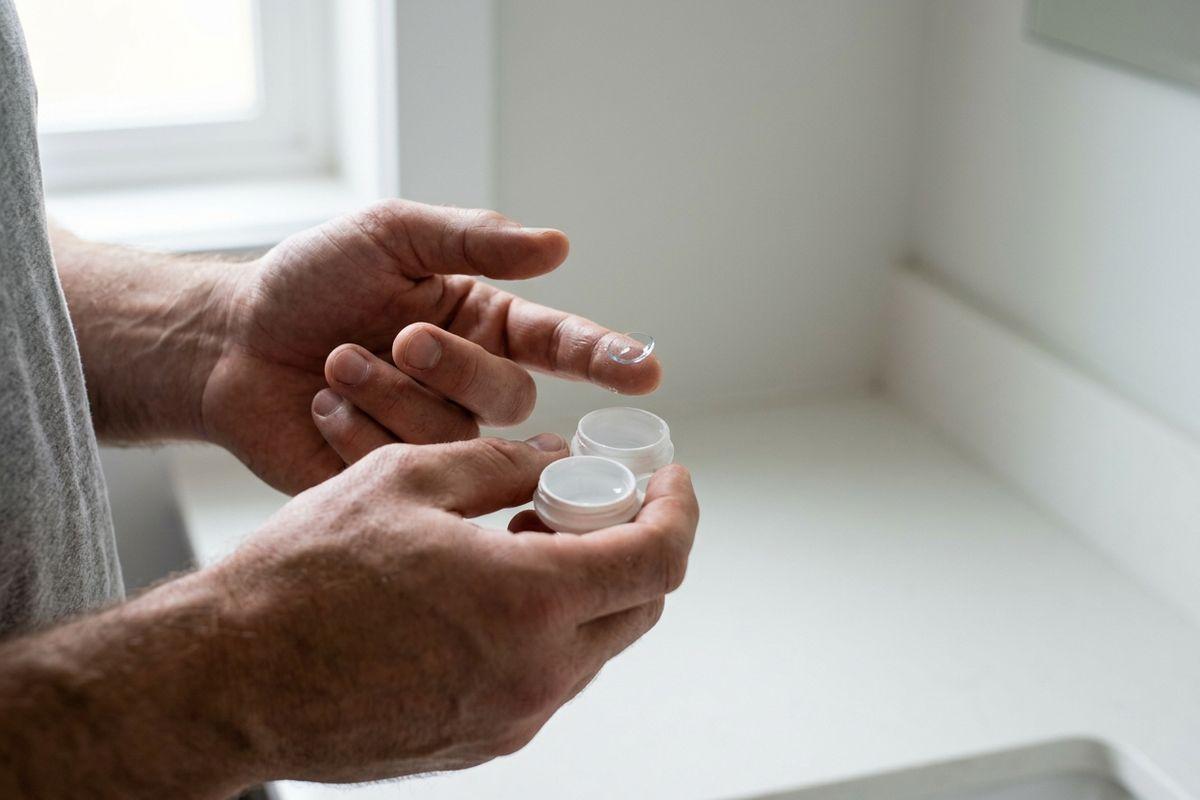
Contact lenses and dry eyes don’t always mix well. Lenses can absorb the moisture from your tear film, which makes dryness worse throughout the day. When the tear film is disrupted, contact lenses can also make your vision blur more than usual. If you’ve noticed your contacts becoming uncomfortable or your vision going hazy by midday, dry eye disease could be a contributing factor. A contact lens exam and fitting can help determine whether your current lenses are a good match for your eyes.
Pattern of Blurred Vision from Dry Eye
For many people, the blurriness comes and goes throughout the day rather than staying constant. It tends to be worse after screen time, in dry environments, or by the end of a long day.
Without treatment, symptoms can become more frequent and harder to ignore. Persistent blurry vision that keeps coming back is worth investigating properly. An eye exam with an optometrist in St. Thomas can help rule out other causes and confirm whether dry eye disease is what you’re dealing with. You can book an appointment to get a proper assessment and clearer answers.
Dry Eye Treatment Options to Explore
At-Home Relief Tips
A few simple habits can help reduce daily discomfort. The 20-20-20 rule is a good place to start. Every 20 minutes of screen time, look at something 20 feet away for 20 seconds. Throw in a couple of extended blinks during this 20 second break, pressing the eyelids together in an exaggerated blink. Preservative-free artificial tears can also add temporary moisture and comfort between tasks. These approaches won’t resolve dry eye disease on their own, but they can make your day more manageable.
In-Office Dry Eye Therapy
When symptoms go beyond what at-home care can manage, in-office dry eye therapy offers more targeted options. Our team at First Optometry starts with a thorough dry eye assessment to understand what’s actually driving your symptoms. From there, options can include prescription drops to help reduce inflammation, or treatments like intense pulsed light (IPL) therapy or radiofrequency (RF) therapy for meibomian gland-related issues. Getting to the root cause is what helps guide the right plan for you.
Find Relief Today
If blurry vision and dry, uncomfortable eyes have been part of your daily routine, you don’t have to keep pushing through it. Our team at First Optometry in St. Thomas is here to help you find answers and real relief. Book your dry eye assessment today and take the first step toward clearer, more comfortable vision.
