

Key Takeaways
- Meibomian gland dysfunction, or MGD, happens when the tiny oil glands that line your eyelids get fully or partially blocked, limiting the flow of the oily layer of your tears onto the ocular surface
- Mild flare-ups can ease within a few weeks, while more severe cases may need months of steady care.
- MGD is often chronic, so flare-ups can come and go over time.
- Early treatment and a consistent daily routine help you manage symptoms better.
- Warm compresses, gentle eyelid cleaning, and in-office therapy can bring relief.
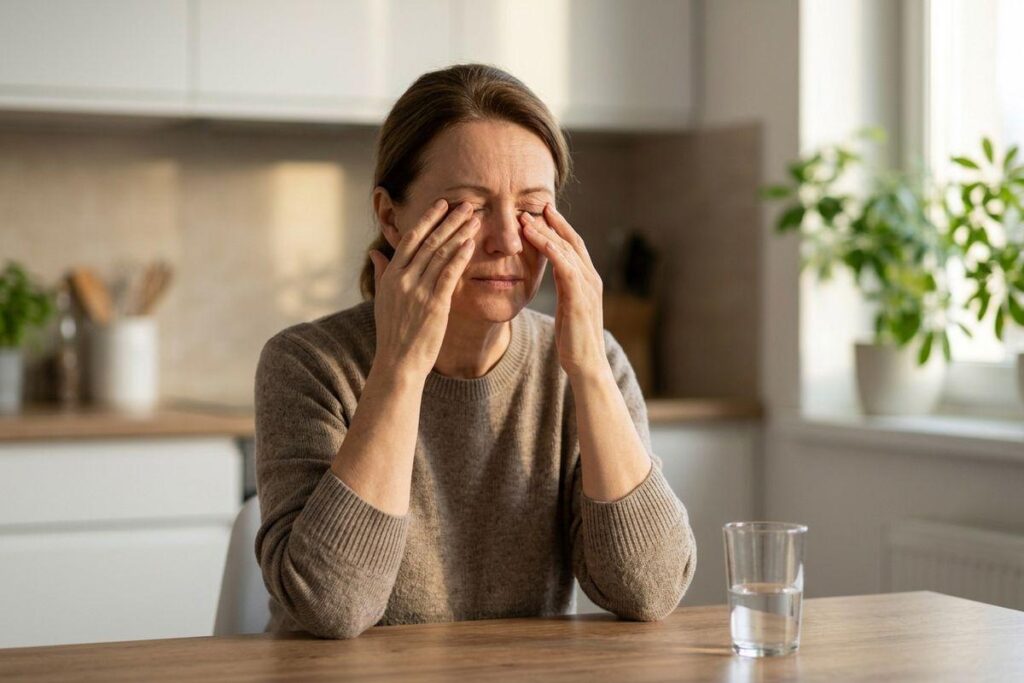
Between raising kids, juggling work, and running the household, dry, irritated eyes are the last thing you want to deal with. If your eyes feel gritty by the end of a long day, the reason might be tiny oil glands lining your eyelids that aren’t working as they should. Our team at First Optometry can help you find relief with dry eye therapy.
Meibomian gland dysfunction (MGD) can last anywhere from a few weeks for mild flare-ups to several months in more stubborn ones, and it’s often a chronic condition that flares up over time.
These small glands sit along the edge of your eyelids. They release oil that keeps your tears from drying out too quickly. When they become restricted or blocked, your tears evaporate too quickly and your eyes feel dry. This is one of the most common problems causing dry eye.
Signs and Symptoms to Watch For
MGD can sneak up on you, and the signs are easy to brush off as tiredness. Paying attention to how your eyes feel throughout the day can help you catch it early.
Watch for these symptoms:
- A dry, gritty, or burning feeling, like sand in your eyes
- Blurry vision that comes and goes, especially after screen time
- Redness, watery eyes, or sensitivity to light
If any of these sound familiar, an eye exam in St. Thomas can pinpoint what’s going on.
What Contributes to MGD?
Everyday Habits
Your daily routine plays a bigger role than you might think. Long hours at a screen mean you blink less, so those oil glands don’t get the regular workout they need. Leftover eye makeup at bedtime can also clog the gland openings along your lash line.
Age and Hormones
The glands naturally slow down as you get older. Hormone shifts, which many people notice around their 40s, can also affect how well these glands work.
Surroundings and Contacts
Dry, windy, or air-conditioned rooms pull moisture from your eyes fast. Certain medications and regular contact lens wear can possibly add to the strain, leaving your eyes feeling parched by afternoon.
How Long Does MGD Last?
The honest answer is that it depends on your situation. Mild cases can be controlled within a few weeks once you start caring for your eyelids. More severe cases can take months of steady treatment before you feel real relief.
For many people, MGD is a chronic condition. That means it can settle down and then flare up again, so a regular routine helps keep symptoms in check over the long haul.
What Affects How Long It Lasts
A few things can shape your timeline, including:
- How severe your symptoms are when you start
- How early you begin treatment
- How consistent you stay with your daily routine
Treatment Options
At-Home Care
Small daily steps can make a real difference. A warm compress (either microwavable or USB plug-in mask) placed over your closed eyes helps loosen the blocked oil. Gently cleaning your eyelids each day also keeps the gland openings clear.
Adding omega-3 rich foods, like salmon or flaxseed, and a supplement can also support healthier oil in your tears.
In-Office Dry Eye Therapy in St. Thomas
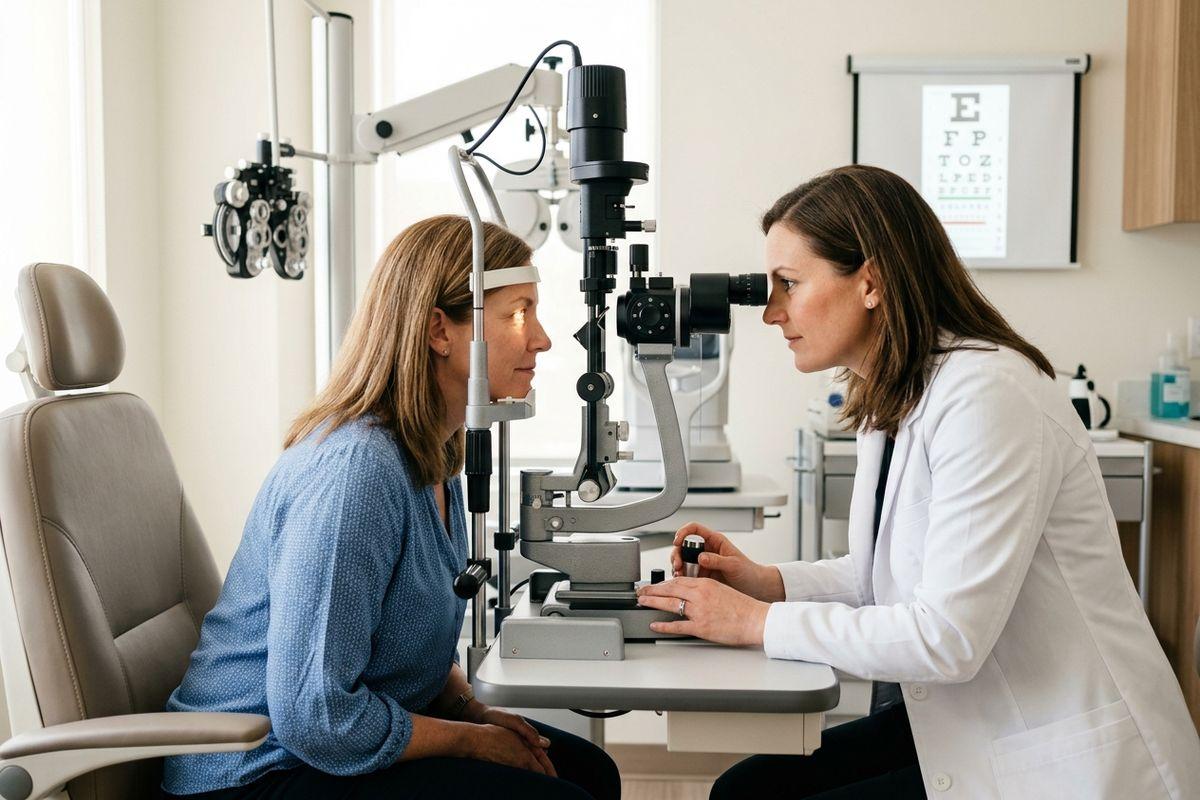
When home care isn’t enough, our team can step in with more focused treatment options, including:
- Prescription drops for stubborn symptoms
- Intense pulsed light (IPL) therapy with low level light therapy and gland expression to clear blockages
- A full eye exam to plan your care
Find Relief Today
At First Optometry, our team helps families across St. Thomas, Elgin, and Port Stanley find lasting comfort from dry, irritated eyes. Book your dry eye assessment today and take the first step toward clearer, more comfortable vision.
